Architectural sheet metal is one of those building elements that most people don’t notice until there’s a problem. When it’s done right, it quietly protects a building, manages water, and finishes critical details that keep the exterior performing as it should.
In commercial construction, architectural sheet metal plays an important role in both function and appearance. Understanding what it is and where it’s used can help building owners and project teams make better decisions during design, construction, or renovation.
What Is Architectural Sheet Metal?
Architectural sheet metal refers to custom-fabricated metal components used on the exterior of a building. These pieces are typically made from materials like steel or aluminum and are designed to fit specific building details.
Unlike standard off-the-shelf products, architectural sheet metal is often custom-made to match the building’s dimensions and design. Its primary purpose is to manage water, protect vulnerable areas, and provide clean, finished transitions between building elements.
Why Architectural Sheet Metal Matters
While architectural sheet metal can contribute to the overall look of a building, its main value is functional. These components help:
- Direct water away from the building
- Protect edges, joints, and transitions
- Reduce the risk of leaks and corrosion
- Extend the life of the building envelope
Poorly designed or installed metal details are a common source of long-term issues, especially around roof edges and wall transitions.
Common Uses of Architectural Sheet Metal
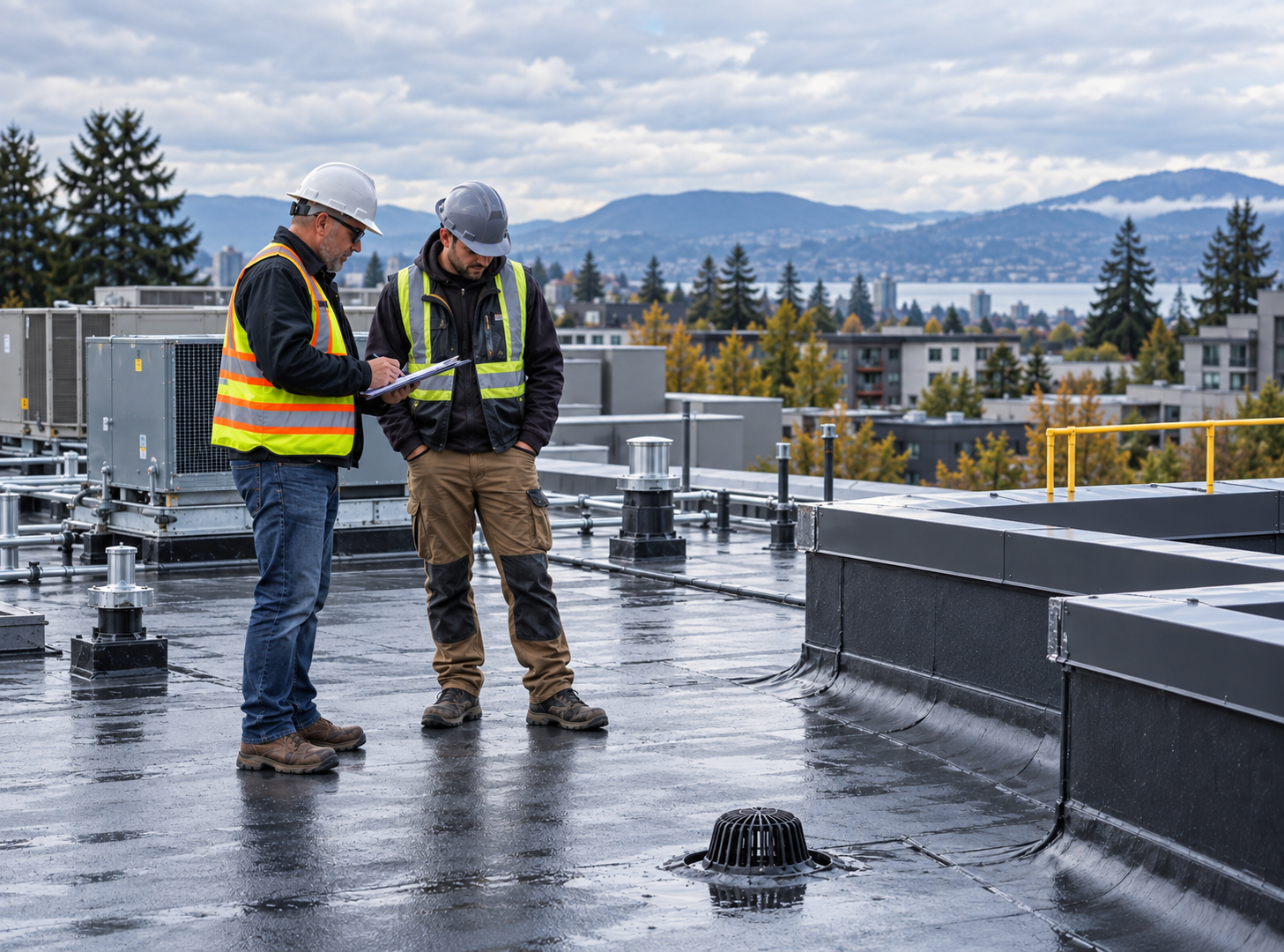
Architectural sheet metal is used throughout commercial buildings, often in areas that are most exposed to weather and movement.
- Parapets and Copings: Copings protect the tops of parapet walls from water infiltration. Properly designed and installed copings help prevent moisture from entering the wall assembly and reduce long-term damage.
- Flashings: Flashings are used to seal joints and transitions where different materials meet, such as at roof edges, penetrations, and wall intersections. These details are critical to keeping water out of the building.
- Fascia and Edge Details: Fascia and edge metal provide a finished appearance while protecting the edges of roofs and walls. They also play a role in directing water into drainage systems.
- Custom Architectural Features: Sheet metal is also used for custom trims, panels, and design features that support architectural intent while maintaining performance.
Where Architectural Sheet Metal Is Most Commonly Used
You’ll find architectural sheet metal on a wide range of commercial buildings, including:
- Industrial and warehouse facilities
- Office and retail buildings
- Institutional and public buildings
- Multi-unit commercial properties
Any building with complex roof and wall transitions can benefit from properly detailed sheet metal components.
Why Quality Fabrication and Installation Matter
Architectural sheet metal needs to be accurately fabricated and properly installed to perform as intended. Small gaps, poor fastening, or incorrect detailing can lead to water intrusion and early failure.
Because these components tie directly into the roofing and wall systems, experience and attention to detail are essential.
A Small Detail That Makes a Big Difference
Architectural sheet metal may not always be visible, but it plays a major role in protecting commercial buildings. When it’s designed and installed correctly, it helps prevent issues, improves durability, and supports the overall performance of the building exterior.
If you’re planning a new build or addressing exterior issues on an existing building, contact Mack Kirk Metals for architectural sheet metal solutions designed to perform.