When it comes to commercial roofing, the cheapest option upfront isn’t always the most cost-effective in the long run. Many building owners and property managers are starting to look beyond initial price and focus more on durability, maintenance, and long-term performance.
That’s where metal roofing stands out. While it may require a higher upfront investment than some traditional systems, metal roofing often delivers better value over time. Here’s why it continues to be a smart long-term choice for commercial buildings.
Built to Last
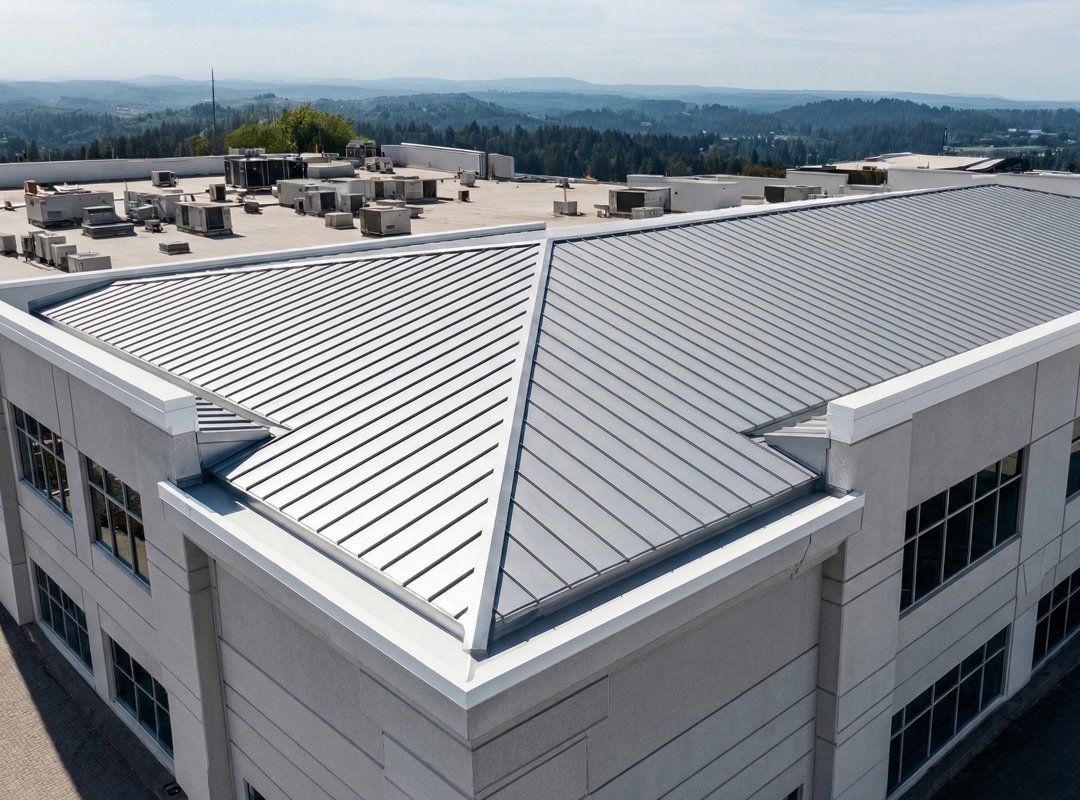
One of the biggest advantages of metal roofing is its durability. Commercial metal roof systems are designed to handle harsh weather, temperature changes, and long-term exposure without breaking down quickly.
Compared to many traditional roofing systems, metal roofs typically have a much longer service life. When properly designed and installed, they can perform reliably for decades, reducing the need for early replacement.
Lower Maintenance Over Time
No roofing system is completely maintenance-free, but metal roofs generally require less ongoing work than many alternatives.
Because metal doesn’t crack, blister, or degrade in the same way as some membrane systems, routine maintenance is often limited to inspections, fasteners, and detailing around penetrations. Fewer repairs over time can translate into lower operating costs and less disruption to building use.
Strong Performance in Challenging Weather
Metal roofing performs well in a wide range of conditions, which is especially important for commercial buildings exposed to wind, rain, snow, and temperature swings. It is also very resilient in wildfire areas due to its non-combustibility.
These systems are designed to shed water efficiently and handle snow loads effectively. With proper detailing and drainage design, metal roofs can perform consistently in demanding climates year after year.
Energy Efficiency Benefits
Metal roofing can also contribute to better energy performance. Many metal roof systems are compatible with high-performance insulation assemblies and reflective finishes that help manage heat gain.
Mack Kirk works with metal roof assemblies that incorporate thermal clips and continuous insulation to reduce thermal bridging and achieve high effective R-values, supported by complete load calculations where required.
Over time, improved energy efficiency can help reduce heating and cooling costs, especially in large commercial buildings where energy use adds up quickly.
Lifecycle Value vs. Upfront Cost
While metal roofing often costs more upfront than some traditional systems, it’s important to look at the full lifecycle cost.
A longer service life, reduced maintenance needs, and fewer repairs can make metal roofing more economical over time. For many building owners, the ability to avoid multiple replacements over the life of the building is a major advantage.
Adaptable for Retrofits and Upgrades
Metal roofing systems are commonly used for retrofit projects as well as new construction. In many cases, they can be installed over existing roof systems, reducing tear-off, waste, and disruption to building operations.
This flexibility makes metal roofing an attractive option for owners looking to upgrade performance without a full roof replacement.
A Practical Long-Term Choice
Metal roofing isn’t the right solution for every building, but for many commercial projects, it offers a strong balance of durability, performance, and long-term value.
When evaluating roofing options, looking beyond the initial price and considering how the system will perform over time can lead to better decisions and fewer surprises down the road.
If you’re considering metal roofing for a commercial building or want to review whether it’s the right fit for your project, Mack Kirk is always here to help.