Concrete is one of the toughest materials used in construction, but it does not last forever. Parking decks, balconies, and plaza slabs go through constant wear from traffic, temperature changes, moisture, and deicing chemicals. Over time, that wear starts to show. You might see cracks, surface damage, or rust stains. That usually leads to one key question: do you restore the concrete, or replace it? The answer is not always obvious, and choosing the wrong option can get expensive.
What Restoration Actually Means
Restoration is more than fixing what you can see. Done properly, it involves removing damaged concrete, addressing any corrosion in the reinforcing steel, repairing the area with the right materials, and adding protection to prevent the issue from coming back.
When it’s the right approach, restoration can extend the life of the structure for years at a much lower cost than replacement. But it only works if the root problem is actually addressed.
A common mistake is repairing visible damage while deeper issues continue underneath. For example, if moisture and deicing chemicals have already spread through the slab, patching the surface will not stop the deterioration. The same problem will come back, often worse than before.
When Replacement Makes More Sense
In some cases, replacement is simply the more practical choice. If the structure has weakened to the point where repairs will not hold long-term, replacement makes more sense. The same applies when damage is widespread and fixing it properly would cost close to a full replacement anyway. Replacement can also be the better path when you need to bring the structure up to current standards or improve long-term performance.
Why Proper Assessment Matters
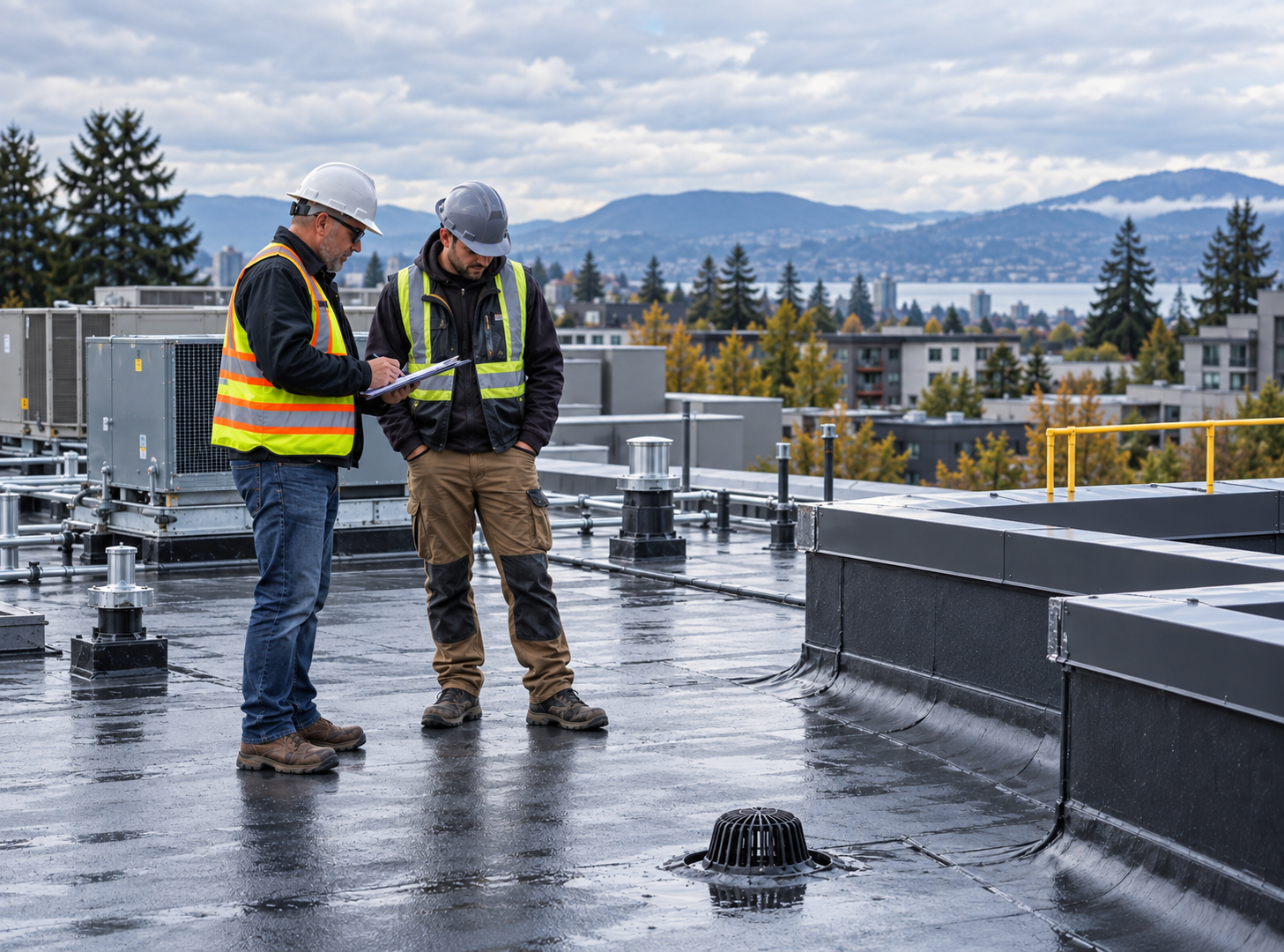
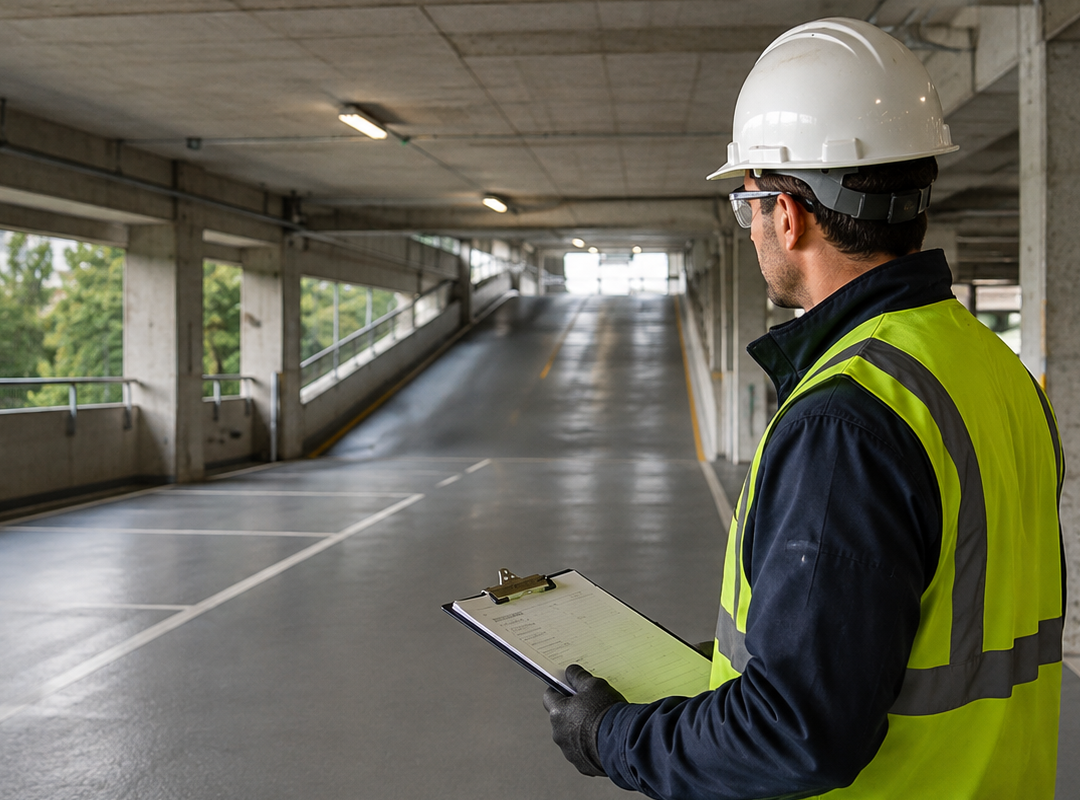
Before deciding, it’s important to understand what is happening beneath the surface. That might include checking for hollow areas, identifying where deterioration has spread, or doing targeted testing to confirm the condition of the concrete and reinforcing steel. Without that step, decisions are often based only on what is visible, which can lead to the wrong approach.
Choosing the Right Path
Restoration and replacement are both valid solutions. The right choice depends on how far the damage has progressed and what you need the structure to do going forward. The goal is not just to fix the issue today, but to make sure the solution holds up over time.
Let Mack Kirk Help You Make the Right Call
At Mack Kirk, we work with commercial and institutional buildings across British Columbia to assess concrete conditions and recommend the right approach based on what is actually happening, not just what is visible.
If you are seeing recurring damage or are not sure whether repairs will hold, it may be worth taking a closer look now so you can plan the next step with confidence.