Thermal clips aren’t something most people think about when planning a commercial building. They’re small, often hidden, and not visible once construction is complete. But despite their size, thermal clips can have a big impact on how a building performs over time.
In commercial construction, details matter. Thermal clips are one of those details that can make a real difference in energy efficiency, comfort, and long-term durability.
What Are Thermal Clips?
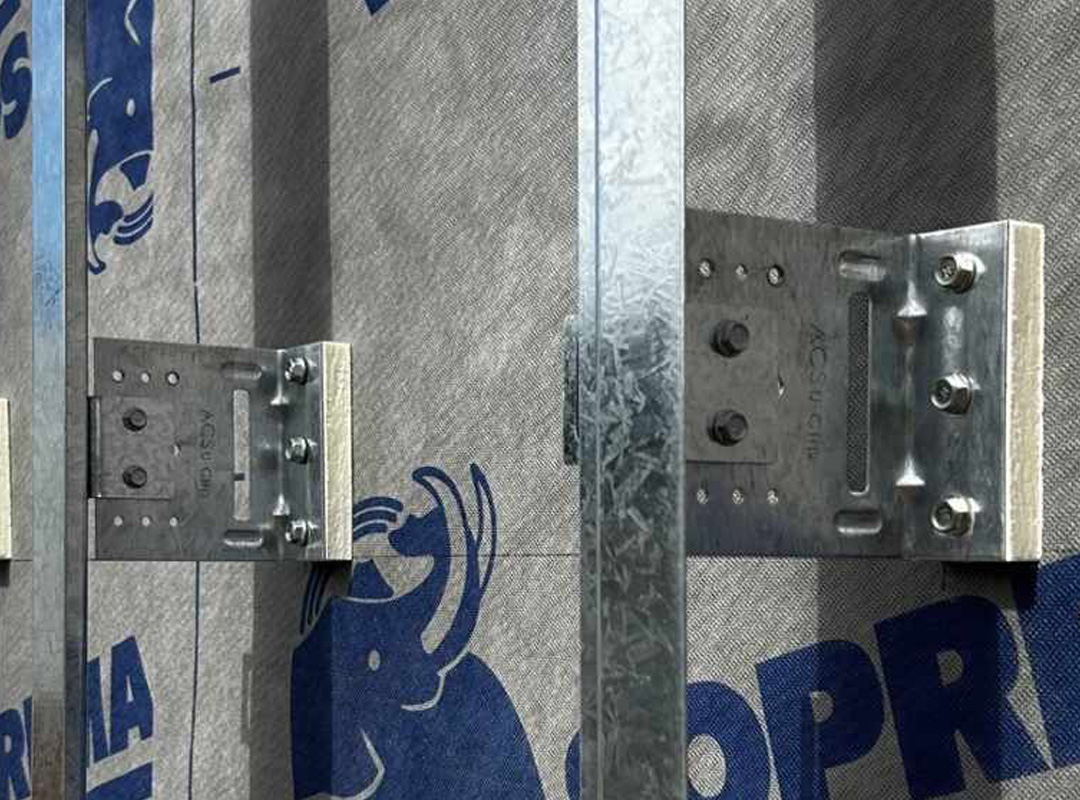
Thermal clips are specialized attachment components used to connect exterior cladding systems to a building’s structure while reducing heat transfer through the wall.
In a traditional wall assembly, metal attachments can create direct paths for heat to move through the insulation. This is known as thermal bridging. Thermal clips are designed to minimize that heat flow by separating the cladding attachment from the structure with materials that have lower thermal conductivity.
Simply put, thermal clips take the nominal R-value of the insulation being used and help deliver an effective R-value that improves the overall thermal performance of the wall assembly.
Why Thermal Bridging Is a Problem
Thermal bridging happens when materials like steel bypass insulation and allow heat to move freely through the wall. In commercial buildings, this can add up quickly. Over time, thermal bridging can lead to:
- Increased heating and cooling costs
- Reduced insulation effectiveness
- Temperature inconsistencies inside the building
- Condensation issues within wall assemblies
Even high-quality insulation can underperform if thermal bridging isn’t addressed.
How Thermal Clips Improve Building Performance
Thermal clips help maintain the effectiveness of continuous insulation by limiting direct contact between the cladding attachment and the building structure. When properly designed and installed, they:
- Improve overall energy efficiency
- Support more consistent interior temperatures
- Help reduce condensation risk
- Contribute to longer-lasting wall assemblies
They’re a small component, but they play an important role in high-performance building envelopes.
Where Thermal Clips Are Commonly Used
Thermal clips are most often used in commercial wall systems that include:
- Metal cladding
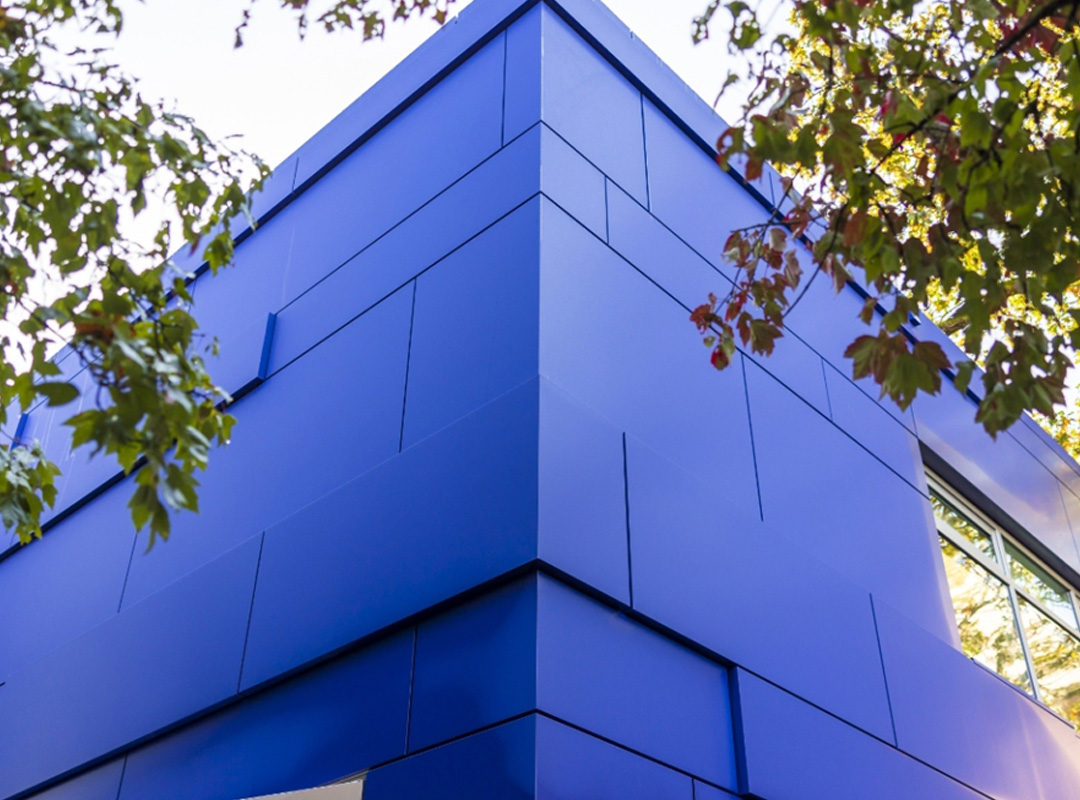
- ACM panels
- Rainscreen assemblies
- High-performance insulated wall systems
- Roofing assemblies
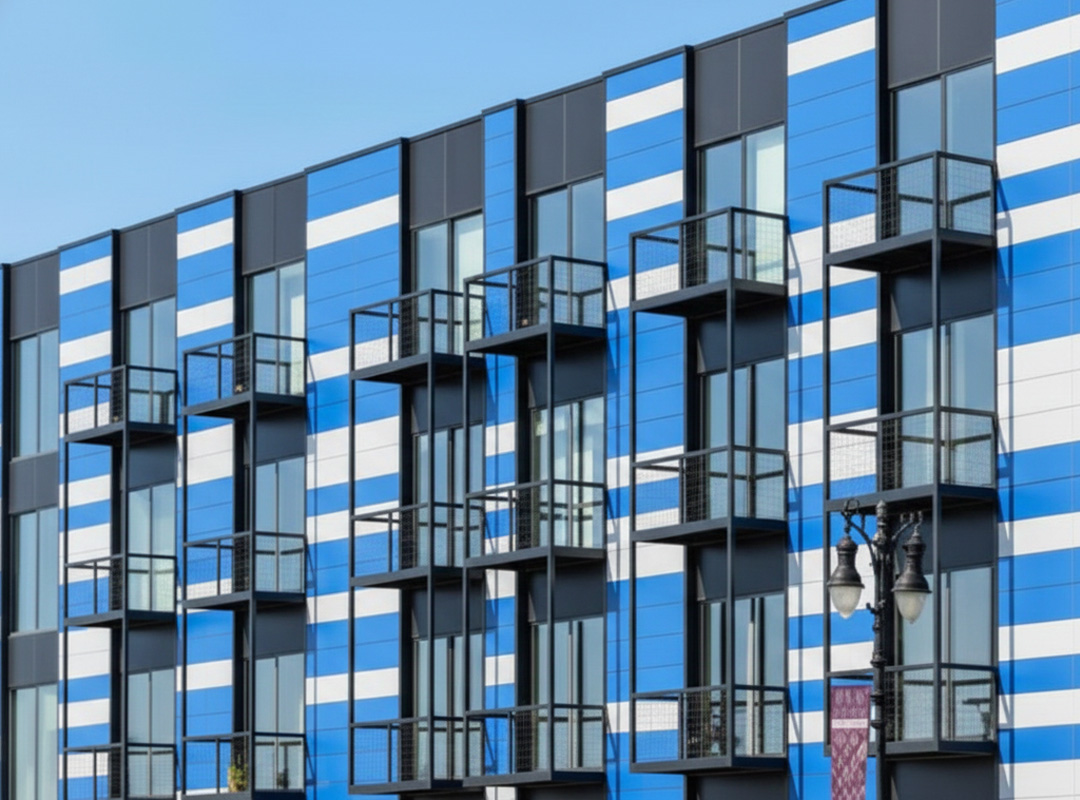
They’re commonly found on office buildings, institutional projects, mixed-use developments, and any building with higher energy-performance requirements.
Why Thermal Clips Matter More Than Ever
Energy codes and performance expectations continue to evolve. Many modern commercial buildings are required to meet stricter standards for insulation and thermal performance, driven in part by requirements such as the BC Energy Step Code and other performance-based energy codes.
Thermal clips help designers and builders meet these requirements without sacrificing cladding attachment strength or design flexibility. As energy efficiency becomes a higher priority, these components are becoming a standard part of well-designed wall assemblies.
Design and Installation Still Matter
Like any building component, thermal clips need to be properly designed into the wall system and installed correctly in the field. Incorrect spacing, poor coordination with insulation, or improper installation can reduce their effectiveness. That’s why experience with full wall assemblies, not just individual products, is important.
A Small Detail With a Big Impact
Thermal clips may not be visible once a building is complete, but their impact is felt every day through improved energy performance and comfort.
If thermal clips are part of your wall system or you’re considering ways to improve building performance, Mack Kirk can help ensure they’re properly integrated into the overall design and installation.